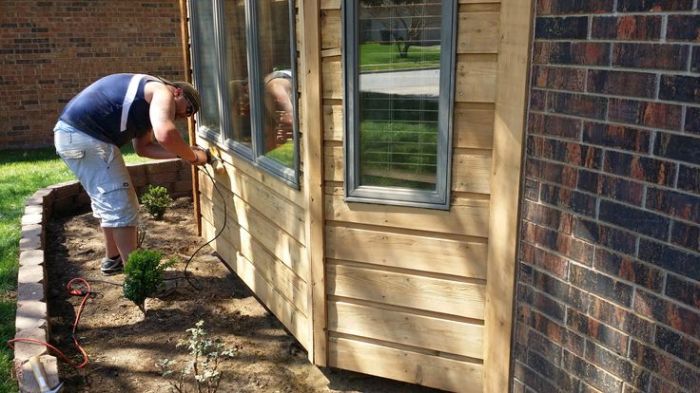
Embarking on the journey of redoing house siding opens up a world of possibilities and decisions. From selecting the right materials to preparing your home for the transformation, each step plays a crucial role in the process. Let's delve into the intricacies of house siding redo and explore the key factors to consider for a successful project.
Planning for House Siding Redo
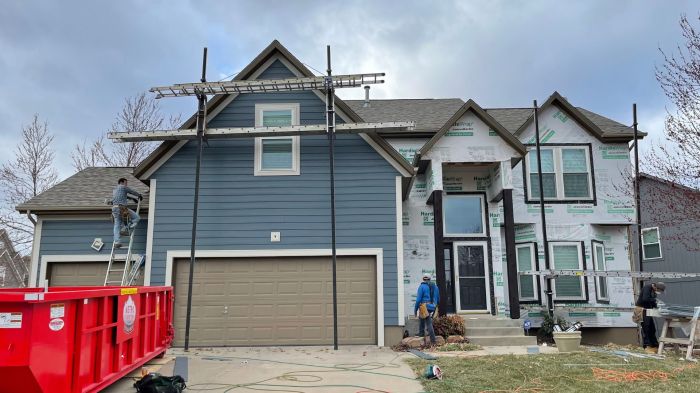
When planning to redo your house siding, there are several factors to consider to ensure a successful project. It's important to choose the right materials that not only enhance the aesthetics of your home but also provide durability and protection.
Setting a realistic budget is also crucial to avoid overspending and to ensure that the project stays within your financial means.
Factors to Consider
- Consider the climate in your area to choose materials that can withstand the weather conditions.
- Take into account the architectural style of your home to select siding that complements the overall design.
- Think about maintenance requirements and choose materials that are easy to clean and maintain.
Choosing the Right Materials
- Vinyl siding is a popular choice due to its affordability and low maintenance.
- Fiber cement siding offers durability and resistance to pests and rot.
- Wood siding provides a classic look but requires more maintenance to prevent rot and pests.
Setting a Budget
- Get quotes from multiple contractors to compare prices and choose the best option within your budget.
- Consider the cost of materials, labor, permits, and any unforeseen expenses when setting your budget.
- Allocate a contingency fund for unexpected costs that may arise during the project.
Types of House Siding Materials
When it comes to redoing the siding of your house, there are various materials to choose from. Each type of siding material has its own unique characteristics in terms of durability and maintenance requirements.
Vinyl Siding
Vinyl siding is a popular choice due to its affordability and low maintenance. It is durable and resistant to rot, insects, and harsh weather conditions. However, it can fade over time and may crack or warp under extreme temperatures. Regular cleaning with a mild detergent and water is usually sufficient to maintain vinyl siding.
Fiber Cement Siding
Fiber cement siding is known for its durability and resistance to fire, insects, and rot. It can mimic the look of wood or masonry without the high maintenance. However, fiber cement siding can be more expensive than other options and may require repainting every few years to maintain its appearance.
Wood Siding
Wood siding offers a natural and timeless look to a house. It can be painted or stained in various colors to suit different aesthetics. However, wood siding requires regular maintenance such as painting or staining every few years to prevent rot, mold, and insect infestations.
It is also more susceptible to fire compared to other siding materials.
Aluminum Siding
Aluminum siding is lightweight, durable, and resistant to fire. It requires minimal maintenance and is available in a variety of colors and finishes. However, aluminum siding can dent easily and may require repainting if the finish wears off. Regular cleaning with a mild detergent and water can help maintain aluminum siding.
Brick Siding
Brick siding is known for its longevity and classic appearance. It is resistant to fire, insects, and rot. However, brick siding can be expensive to install and may require occasional tuck-pointing to repair mortar joints. Cleaning with a brush and water is usually enough to maintain brick siding.
Preparing the House for Siding Redo

When getting ready to redo the siding on your house, it is essential to properly prepare the exterior to ensure a successful installation. This involves steps such as inspecting the existing siding for damage, ensuring proper insulation, and making any necessary repairs.
Inspecting Existing Siding
Before installing new siding, carefully inspect the existing siding for any signs of damage or issues. Look for cracks, rot, mold, or warping that may affect the installation of the new siding. It is crucial to address these issues before proceeding with the redo to ensure a smooth and long-lasting finish.
Importance of Proper Insulation
Proper insulation is key to ensuring energy efficiency and protection against the elements. Before redoing the siding, make sure that the house is adequately insulated to prevent heat loss and reduce energy bills. Insulation also helps in maintaining a comfortable indoor temperature and preventing moisture buildup, which can lead to mold and mildew growth.
Preparing the Exterior
- Clean the exterior of the house thoroughly to remove dirt, debris, and any loose paint.
- Repair any damaged areas, such as cracks or holes, to create a smooth surface for the new siding.
- Remove any obstacles or obstructions that may hinder the installation process, such as overgrown vegetation or outdoor furniture.
- Ensure that the exterior walls are dry and free of moisture to prevent any issues with the new siding installation.
- Consider applying a weather-resistant barrier or house wrap to enhance the protection and durability of the new siding.
Consulting a Professional
If you are unsure about the preparation process or encounter significant damage during the inspection, it is advisable to consult a professional contractor. They can provide expert guidance on the necessary steps to take before redoing the house siding, ensuring a successful and long-lasting result.
Hiring a Contractor for House Siding Redo
When it comes to redoing the siding of your house, hiring a professional contractor is crucial to ensure the project is completed efficiently and effectively. A skilled contractor can provide expertise, quality workmanship, and save you time and stress in the process.
Choosing the Right Contractor
Before selecting a contractor for your siding project, consider the following tips to make an informed decision:
- Ask for recommendations from friends, family, or neighbors who have had similar work done.
- Research online reviews and ratings of potential contractors to gauge their reputation.
- Check if the contractor is licensed, insured, and bonded to protect yourself and your property.
- Request to see examples of their previous siding projects to assess the quality of their work.
- Get a detailed written estimate that includes the scope of work, materials, and timeline.
Obtaining Multiple Quotes
One of the benefits of obtaining multiple quotes from different contractors is to compare pricing, services, and overall value. By getting several estimates, you can ensure you are not overpaying for the project and have a better understanding of the average cost in your area.
Remember, the lowest price may not always guarantee the best quality, so consider all factors when making your decision.
Final Summary
As we conclude our discussion on redoing house siding, it becomes evident that attention to detail and proper planning are paramount in achieving a stunning outcome. By following the guidelines and tips provided, you can ensure a smooth and efficient process that results in a revitalized exterior for your home.
Questions Often Asked
What factors should I consider when planning to redo house siding?
Consider the climate, architectural style of your home, maintenance requirements, and budget.
How do I choose the right contractor for the siding project?
Look for experience, certifications, references, and ensure they have proper insurance.
Why is proper insulation important before redoing house siding?
Insulation helps improve energy efficiency and ensures better temperature regulation inside your home.
What are the benefits of obtaining multiple quotes before selecting a contractor?
Getting multiple quotes allows you to compare prices, services offered, and choose the best option for your budget and needs.









![How To Replace Siding On A House [Step By Step Guide]](https://market.posmetropadang.co.id/wp-content/uploads/2025/11/worker-installing-panels-beige-siding-on-the-facade-of-the-house-How-To-Replace-Siding-On-A-House-Step-By-Step-Guide-120x86.png)