Embark on a journey into the world of Japandi design, a harmonious blend of Japanese minimalism and Scandinavian simplicity. Discover the essence of this aesthetic that is taking the design world by storm.
What is Japandi Design?
Japandi design is a fusion of Japanese and Scandinavian styles, blending the minimalism and simplicity of Scandinavian design with the rustic and natural elements of Japanese aesthetics. This hybrid style creates a harmonious and balanced look that combines the best of both worlds.
Origins of Japandi Design
Japandi design originated as a response to the increasing popularity of both Japanese and Scandinavian interior design styles in the global market. Designers and homeowners alike began to see the potential of combining these two distinct aesthetics to create a unique and cohesive look that embodies the principles of both cultures.
Key Characteristics of Japandi Design
- Minimalism: Japandi design embraces simplicity and clean lines, avoiding clutter and excess decoration.
- Natural Elements: A focus on using natural materials such as wood, bamboo, and stone to bring a sense of warmth and tranquility to the space.
- Neutral Color Palette: Japandi design often utilizes a muted color scheme, with earthy tones and soft hues to create a calming atmosphere.
- Functionality: Practicality and functionality are essential aspects of Japandi design, with furniture and decor serving a purpose while maintaining a stylish appearance.
- Wabi-Sabi: Incorporating the Japanese concept of wabi-sabi, which celebrates imperfection and the beauty of aging, adding character and depth to the design.
Elements of Japandi Design
Japandi design is characterized by a harmonious blend of Japanese minimalism and Scandinavian functionality, creating a serene and uncluttered aesthetic that emphasizes simplicity and comfort.
Common Materials Used
- Wood: Both Japanese and Scandinavian design traditions heavily feature wood, with Japandi design often incorporating light-toned woods like oak and ash.
- Natural Fibers: Materials such as linen, cotton, and wool are commonly used in Japandi interiors to add warmth and texture.
- Ceramics: Simple and elegant ceramic pieces, often handmade, are a staple in Japandi design, adding a touch of craftsmanship.
Color Palette
The color palette in Japandi interiors is typically muted and neutral, drawing inspiration from nature to create a calming and timeless atmosphere.
- Neutral Tones: Shades of white, beige, grey, and black form the base of Japandi color schemes, allowing for a clean and understated look.
- Earthy Accents: Soft greens, blues, and browns inspired by nature are used as accents to add a sense of tranquility and balance.
Role of Minimalism
Minimalism plays a key role in Japandi design, focusing on decluttering and creating a space that promotes peace and mindfulness.
Less is more in Japandi interiors, with a strong emphasis on functionality and purposeful design choices.
Furniture and Decor in Japandi Design
In Japandi design, the furniture and decor play a crucial role in creating a harmonious and minimalist space that blends Japanese and Scandinavian aesthetics seamlessly. Let's explore some key aspects of furniture and decor in Japandi interiors.
Popular Furniture Pieces in Japandi Interiors
In Japandi design, furniture pieces are chosen for their simplicity, functionality, and natural materials. Some popular furniture pieces include:
- Low-lying wooden bed frames
- Minimalist dining tables with clean lines
- Slip-covered sofas in neutral tones
- Storage solutions like open shelving units
- Low coffee tables made of light wood
Incorporating Natural Elements into Japandi Decor
Natural elements are a key component of Japandi design, bringing warmth and tranquility to the space. Here's how you can incorporate natural elements into Japandi decor:
- Use wooden furniture and accents to add warmth and texture
- Introduce indoor plants for a touch of greenery and life
- Opt for natural materials like linen, cotton, and wool for textiles
- Embrace natural light through large windows and light curtains
- Add stone or ceramic pieces for a sense of earthiness
Importance of Functionality in Japandi Furniture
Functionality is paramount in Japandi furniture, as each piece is selected not only for its aesthetics but also for its practicality. The emphasis on functionality ensures that the space remains clutter-free and easy to navigate. This approach reflects the minimalist ideals of both Japanese and Scandinavian design, where every piece serves a purpose while maintaining a sense of beauty and simplicity.
Creating a Japandi-inspired Space
To blend Japanese and Scandinavian aesthetics and achieve a cozy yet minimalist ambiance in a Japandi room, consider integrating traditional design elements from both cultures.
Blend Japanese and Scandinavian Aesthetics
- Focus on natural materials like wood and bamboo for furniture and decor.
- Keep the color palette simple and neutral with pops of muted tones.
- Incorporate clean lines and functional design elements characteristic of both styles.
- Add greenery and natural textures to bring warmth and tranquility to the space.
Achieve Cozy yet Minimalist Ambiance
- Opt for furniture with a mix of Japanese simplicity and Scandinavian comfort.
- Use soft textiles like wool or linen for cushions, rugs, and throws.
- Keep the space clutter-free by embracing the "less is more" philosophy.
- Utilize soft, ambient lighting to create a warm and inviting atmosphere.
Integrate Traditional Design Elements
- Incorporate shoji screens or sliding doors for a touch of Japanese elegance.
- Add Scandinavian hygge elements like cozy blankets and candles for a sense of comfort.
- Showcase Japanese art pieces or ceramics alongside Scandinavian minimalist decor.
- Embrace the concept of wabi-sabi by highlighting imperfections and embracing simplicity.
Final Conclusion
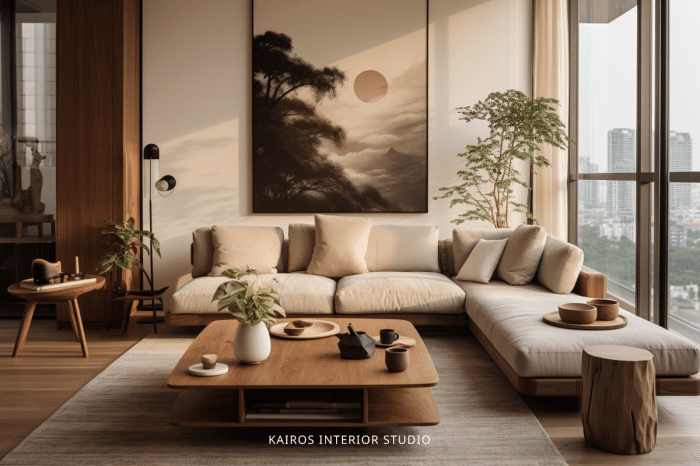
In conclusion, Japandi design offers a unique fusion of cultures, creating spaces that are both serene and functional. Embrace this trend to bring a touch of tranquility and style into your living spaces.
FAQs
What defines Japandi Design?
Japandi design combines the minimalism of Japanese aesthetics with the simplicity of Scandinavian design, creating a harmonious and functional style.
What materials are commonly used in Japandi interiors?
Wood, natural fibers, and neutral colors are often used in Japandi design to evoke a sense of warmth and tranquility.
How can I incorporate natural elements into Japandi decor?
You can add plants, stones, or wooden elements to bring nature indoors and create a peaceful ambiance in your Japandi-inspired space.
Why is functionality important in Japandi furniture?
Functionality is key in Japandi furniture to ensure that each piece serves a purpose while maintaining the clean and uncluttered look of the design.






![How To Replace Siding On A House [Step By Step Guide]](https://market.posmetropadang.co.id/wp-content/uploads/2025/11/worker-installing-panels-beige-siding-on-the-facade-of-the-house-How-To-Replace-Siding-On-A-House-Step-By-Step-Guide-120x86.png)