Vacation rental management is the backbone of a thriving rental business, encompassing a variety of essential elements that ensure smooth operations and satisfied guests. From setting up the business to marketing strategies, guest experience, maintenance, and legal considerations, this comprehensive guide delves into every aspect of managing vacation rentals with precision and expertise.
As you delve deeper into each section, you will uncover valuable insights and actionable tips to elevate your vacation rental management game to new heights.
Overview of Vacation Rental Management
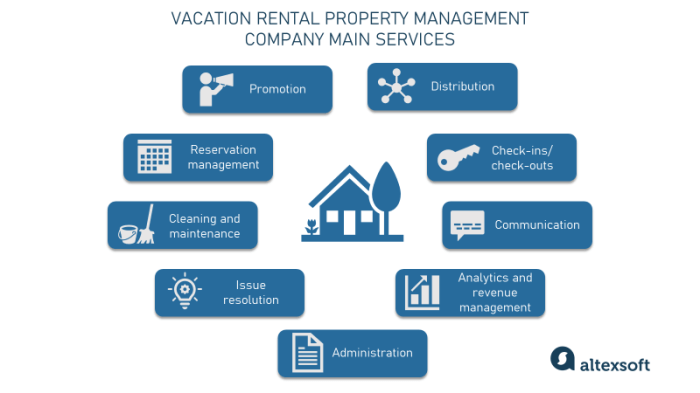
Vacation rental management involves overseeing and taking care of vacation properties on behalf of owners in order to ensure a smooth rental process for guests.
Effective management is crucial for success as it can lead to higher occupancy rates, positive guest experiences, and increased revenue for property owners.
Key Components of Managing Vacation Rentals
- Marketing and Advertising: Utilizing various channels to promote the vacation rental property and attract potential guests.
- Guest Communication: Responding promptly to inquiries, providing clear information, and addressing any concerns or issues during the guest's stay.
- Pricing and Revenue Management: Setting competitive rates based on market trends, seasonality, and property features to maximize revenue.
- Cleaning and Maintenance: Ensuring the property is clean, well-maintained, and adheres to safety standards to enhance guest satisfaction.
- Legal Compliance: Understanding and following local regulations, tax requirements, and rental agreements to avoid legal issues.
- Property Inspections: Conducting regular inspections to identify any maintenance needs or potential improvements for the property.
Setting Up a Vacation Rental Business
Starting a vacation rental business involves several key steps that are essential for success. It is important to carefully consider the property choices and create a solid business plan to ensure profitability and sustainability.To begin with, here are the steps involved in setting up a vacation rental business:
Choosing Properties for Vacation Rentals
When selecting properties for vacation rentals, there are several key factors to consider:
- Location: Choose properties in desirable locations with easy access to amenities, attractions, and transportation.
- Property type: Consider the type of property that aligns with your target market, whether it's a beach house, mountain cabin, or urban apartment.
- Property condition: Ensure that the properties are well-maintained, clean, and equipped with necessary amenities to provide a comfortable stay for guests.
- Regulations: Familiarize yourself with local regulations and zoning laws related to vacation rentals to avoid any legal issues.
Creating a Solid Business Plan
A well-defined business plan is crucial for the success of a vacation rental business. It should Artikel your goals, target market, marketing strategies, financial projections, and operational plans. Key elements to include in a business plan are:
- Market analysis: Research the demand for vacation rentals in your target area and identify your competition.
- Financial projections: Estimate your initial investment, operating expenses, and potential revenue to determine the profitability of your business.
- Marketing strategies: Develop a marketing plan to attract guests, such as listing on popular vacation rental websites, social media promotion, and partnerships with local businesses.
- Operations plan: Define the processes for guest communication, property management, cleaning services, and maintenance to ensure smooth operations.
Marketing Strategies for Vacation Rentals

When it comes to marketing vacation rentals, having a solid strategy in place is crucial to attract potential guests and maximize bookings. Let's explore different marketing strategies specific to vacation rentals and compare online vs. offline approaches, along with tips for utilizing social media effectively.
Online Marketing Strategies
- Create a visually appealing website showcasing your vacation rental property with high-quality photos and detailed descriptions.
- List your property on popular vacation rental platforms such as Airbnb, VRBO, and Booking.com to reach a wider audience.
- Implement search engine optimization () techniques to improve your property's visibility on search engines like Google.
- Use online advertising channels like Google Ads or social media ads to target specific audiences interested in vacation rentals.
Offline Marketing Strategies
- Partner with local businesses or tourist attractions to promote your vacation rental property through brochures, flyers, or referral programs.
- Attend travel and tourism trade shows or events to network with industry professionals and potential guests.
- Utilize traditional advertising methods such as print ads in local newspapers or magazines to reach a local audience.
Social Media Marketing Tips
- Create engaging content on social media platforms like Facebook, Instagram, and Twitter to showcase your vacation rental property and attract followers.
- Utilize influencer marketing by partnering with travel influencers or bloggers to promote your property to their followers.
- Run social media contests or giveaways to increase engagement and generate buzz around your vacation rental.
- Respond promptly to inquiries and reviews on social media to build trust and relationships with potential guests.
Guest Experience and Satisfaction
Providing a positive guest experience is crucial in vacation rental management as it directly impacts guest satisfaction, reviews, and repeat bookings. Happy guests are more likely to recommend your property to others, resulting in increased bookings and revenue
Enhancing Guest Satisfaction
- Ensure clear and accurate property descriptions and photos to set realistic guest expectations.
- Offer amenities and services that cater to guest needs and preferences.
- Provide a seamless booking process and responsive customer service.
- Address and resolve any guest concerns or issues promptly and effectively.
- Follow up with guests after their stay to gather feedback and show appreciation.
Communicating with Guests
- Send detailed pre-arrival information including check-in instructions, local recommendations, and contact details for assistance.
- Be available to answer guest inquiries and provide assistance during their stay.
- Personalize the guest experience by addressing them by name and anticipating their needs.
- Send a thank you message or request for feedback after their departure to show your commitment to guest satisfaction.
Maintenance and Operations
Maintaining a vacation rental property is crucial to ensure guest satisfaction and repeat bookings. Efficient operations, including cleaning, check-ins, and repairs, play a significant role in the overall guest experience. Having a responsive maintenance team in place is essential to address any issues promptly and handle emergencies effectively.
Maintenance Plan for Vacation Rental Properties
- Regular Inspections: Conduct routine inspections to identify any maintenance issues before they escalate.
- Preventive Maintenance: Schedule regular maintenance tasks such as HVAC servicing, plumbing checks, and appliance inspections to prevent breakdowns.
- Emergency Response Plan: Develop a plan for handling maintenance emergencies such as leaks, power outages, or HVAC failures.
Handling Operations for Vacation Rentals
- Cleaning Procedures: Implement thorough cleaning protocols between guest stays to maintain cleanliness and hygiene standards.
- Check-In Process: Streamline the check-in process to ensure a smooth arrival experience for guests and provide necessary instructions or information.
- Repairs and Maintenance: Respond promptly to maintenance requests from guests and address any issues efficiently to minimize disruptions during their stay.
Importance of a Responsive Maintenance Team
- Guest Satisfaction: A responsive maintenance team can quickly resolve any issues that arise, enhancing guest satisfaction and overall experience.
- Property Maintenance: Timely repairs and maintenance help preserve the condition of the property and prevent further damage or deterioration.
- Emergency Preparedness: Having a team ready to handle emergencies ensures that guests are safe and any issues are resolved promptly to minimize inconvenience.
Legal and Financial Considerations

When it comes to managing vacation rentals, there are important legal and financial considerations that every property owner should be aware of. Understanding the regulations and financial aspects can help you run your vacation rental business smoothly and successfully.
Legal Requirements and Regulations
It is crucial to comply with all legal requirements and regulations when operating a vacation rental property. This includes obtaining the necessary permits and licenses, adhering to zoning laws, and following safety regulations. Failure to comply with these regulations can result in fines or even the closure of your property.
- Research local laws and regulations: Make sure you are familiar with the specific laws and regulations governing vacation rentals in your area. This may include restrictions on rental periods, noise levels, and occupancy limits.
- Insurance coverage: Consider obtaining liability insurance to protect yourself in case of accidents or damage on your property. Additionally, you may want to look into insurance options that cover loss of rental income.
- Security deposits and rental agreements: Establish clear rental agreements that Artikel the terms and conditions of renting your property. Collecting security deposits can help protect your property from damages caused by guests.
Financial Aspects of Managing Vacation Rentals
Managing the finances of your vacation rental business is essential for its success. From setting competitive pricing to handling taxes and contracts, here are some key financial aspects to consider:
- Pricing strategies: Research the market rates for vacation rentals in your area and set competitive prices to attract guests. Consider seasonal pricing adjustments and discounts for longer stays.
- Tax obligations: Be aware of your tax obligations as a vacation rental owner. This may include collecting occupancy taxes from guests and reporting rental income on your tax return.
- Contract management: Create detailed rental contracts that Artikel the rights and responsibilities of both parties. Include important clauses regarding cancellations, refunds, and property rules.
Outcome Summary
In conclusion, mastering the art of vacation rental management is the key to unlocking long-term success in the competitive rental market. By implementing the strategies and best practices Artikeld in this guide, you are poised to create memorable guest experiences, drive revenue, and build a solid reputation in the industry.
FAQs
What is vacation rental management?
Vacation rental management involves overseeing all aspects of a rental property to ensure smooth operations, guest satisfaction, and profitability.
How important is guest experience in vacation rental management?
Guest experience is paramount in vacation rental management as it directly impacts guest satisfaction, reviews, and repeat bookings.
What are some key maintenance tasks for vacation rental properties?
Key maintenance tasks include regular cleaning, timely repairs, and ensuring the property is well-maintained for guest stays.
How can social media be used to promote vacation rental properties?
Social media can be utilized to showcase the property, engage with potential guests, and share positive guest experiences to attract bookings.
What financial aspects should be considered in vacation rental management?
Financial aspects include pricing strategies, handling taxes, insurance, and contracts to ensure the business remains profitable and compliant with regulations.









![How To Replace Siding On A House [Step By Step Guide]](https://market.posmetropadang.co.id/wp-content/uploads/2025/11/worker-installing-panels-beige-siding-on-the-facade-of-the-house-How-To-Replace-Siding-On-A-House-Step-By-Step-Guide-120x86.png)