Packaging design plays a crucial role in shaping brand identity and consumer perception. From eye-catching visuals to sustainable materials, every element of packaging design contributes to a product's success on the market. In this comprehensive guide, we will explore the importance, key elements, sustainability, and trends in packaging design that are shaping the industry today.
Importance of Packaging Design
Packaging design plays a crucial role in branding as it serves as the first point of contact between a product and a consumer. It is a powerful tool that helps to create brand recognition, communicate brand values, and differentiate a product from its competitors.
Moreover, packaging design has a significant influence on consumer perception. The visual appeal, color scheme, typography, and overall design of a packaging can evoke certain emotions, convey a message, and shape how consumers perceive the product inside. A well-designed packaging can attract attention, build trust, and create a positive association with the brand.
Successful Packaging Designs and Impact on Sales
- Apple's packaging design for its products is known for its minimalistic and sleek aesthetic. The clean white boxes with simple, elegant typography reflect the brand's commitment to quality and innovation. This attention to detail in packaging design has helped Apple create a premium brand image and maintain a strong brand loyalty among consumers.
- Coca-Cola's iconic contour bottle design is another example of successful packaging design. The unique shape of the bottle, along with the red and white color scheme, has become instantly recognizable worldwide. The packaging design has played a significant role in building brand identity and driving sales for Coca-Cola.
- Tiffany & Co.'s signature blue box is a classic example of how packaging design can elevate a brand. The distinctive blue color, paired with the white ribbon and logo, has become synonymous with luxury and sophistication. The packaging design has added to the overall brand experience and contributed to the brand's premium positioning in the market.
Elements of Effective Packaging Design
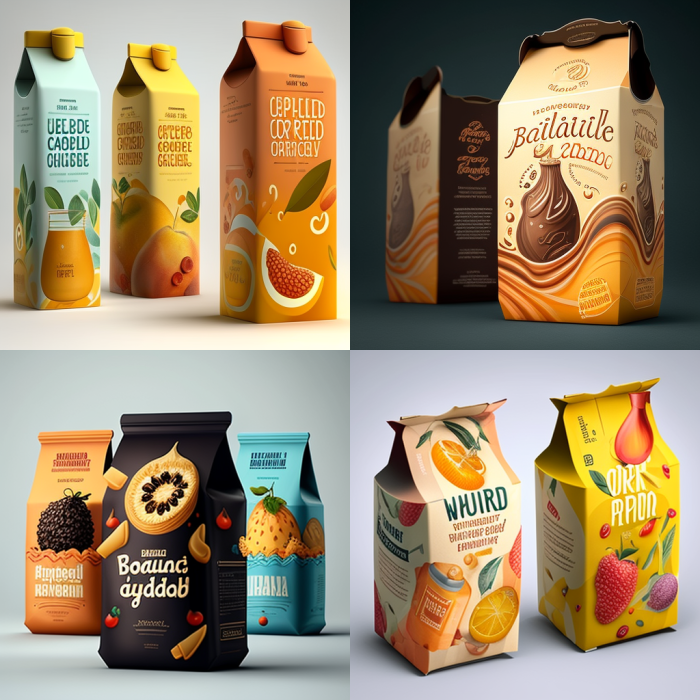
Effective packaging design goes beyond just aesthetics; it also plays a crucial role in attracting consumers and communicating brand identity. Let's explore some key elements that make a packaging design stand out on the shelf.
Importance of Color, Typography, and Imagery
Color, typography, and imagery are essential components of packaging design that can significantly impact consumer perception and purchasing decisions.
- Color: The choice of colors in packaging design can evoke specific emotions and associations in consumers. Bright colors may attract attention, while muted tones can convey sophistication. It's important to consider color psychology and ensure that the color palette aligns with the brand's identity and target audience.
- Typography: The typography used in packaging design plays a crucial role in conveying information and creating brand recognition. Fonts should be legible, appropriate for the product, and consistent with the overall brand image. The right typography can enhance the readability of product information and make the packaging more visually appealing.
- Imagery: Images and graphics on packaging can help tell a story, showcase product features, and create a visual connection with consumers. High-quality imagery that reflects the product accurately and resonates with the target audience can make the packaging more engaging and memorable.
Impact of Shape and Materials
The shape and materials used in packaging design not only contribute to the visual appeal but also affect the functionality and usability of the packaging.
- Shape: The shape of the packaging can influence shelf presence, ease of storage, and consumer perception. Unique shapes can make a product stand out on the shelf and create a memorable brand experience. However, it's essential to balance creativity with practicality to ensure that the packaging is functional and cost-effective.
- Materials: The choice of materials for packaging design can impact sustainability, product protection, and overall brand image. Environmentally friendly materials are becoming increasingly important to consumers, so using recyclable or biodegradable materials can enhance brand reputation. Additionally, selecting durable materials that protect the product during transportation and storage is crucial for maintaining product quality and customer satisfaction.
Sustainable Packaging Design
As the need for environmentally friendly practices continues to grow, sustainable packaging design has become a prominent focus in the packaging industry. This approach aims to minimize environmental impact by using materials that are renewable, recyclable, or biodegradable.
Eco-Friendly Packaging Materials
When it comes to sustainable packaging design, there are several innovative materials that are being utilized to reduce waste and promote eco-friendliness. Some examples include:
- Biodegradable plastics made from plant-based sources such as corn or sugarcane.
- Mushroom packaging, which uses mycelium to create a biodegradable and compostable alternative to traditional packaging materials.
- Recycled paper and cardboard, which help reduce the demand for new raw materials and decrease the amount of waste sent to landfills.
Challenges and Benefits
While incorporating sustainability into packaging design comes with its challenges, such as increased costs and limited availability of certain eco-friendly materials, the benefits far outweigh the drawbacks. Some of the advantages of sustainable packaging design include:
- Reduced environmental impact by using renewable or recyclable materials.
- Enhanced brand image and consumer perception as an environmentally conscious company.
- Meeting the growing demand for eco-friendly products from environmentally aware consumers.
Trends in Packaging Design
Packaging design is constantly evolving to meet the changing needs and preferences of consumers. Let's explore some of the current trends shaping the world of packaging design.
Eco-Friendly Packaging
One of the most prominent trends in packaging design is the shift towards eco-friendly and sustainable packaging materials. Brands are increasingly opting for biodegradable, recyclable, or compostable packaging to reduce their environmental impact and appeal to environmentally conscious consumers.
Minimalist Design
Minimalist packaging design continues to be a popular trend across various industries. Clean, simple, and elegant packaging not only conveys a sense of sophistication but also helps products stand out on crowded shelves.
Personalization and Customization
With advancements in digital printing technologies, brands are now able to personalize and customize packaging designs to cater to individual preferences. This trend allows companies to create unique and memorable unboxing experiences for their customers.
Bold Colors and Graphics
Vibrant colors and bold graphics are making a comeback in packaging design. Eye-catching designs help products grab the attention of consumers and create a lasting impression. Brands are using striking visuals to communicate their brand identity and values effectively.
Augmented Reality Integration
Digital technologies like augmented reality are revolutionizing packaging design by offering interactive and engaging experiences for consumers. Brands are leveraging AR to provide additional product information, entertainment, or interactive features through packaging design.
Final Summary
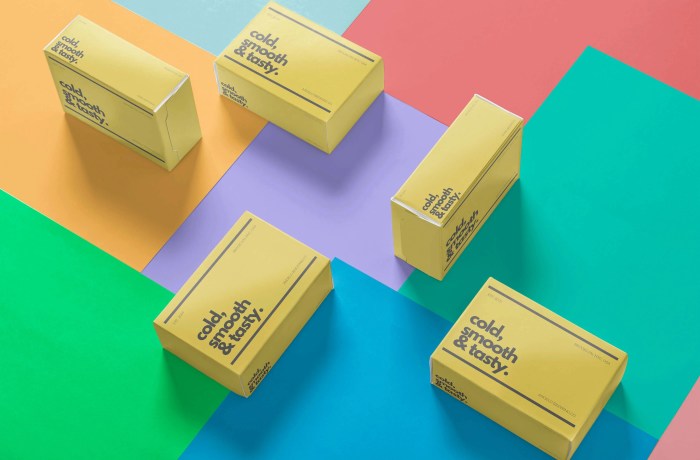
As we conclude our exploration of packaging design, it becomes evident that innovative and thoughtful packaging can truly make a difference in the competitive market landscape. By staying abreast of trends and embracing sustainable practices, brands can elevate their packaging design to new heights and leave a lasting impact on consumers.
FAQ Summary
How does packaging design influence consumer behavior?
Packaging design can evoke emotions, convey brand messaging, and ultimately influence purchasing decisions by capturing the attention of consumers.
What are some key elements of effective packaging design?
Key elements include color, typography, imagery, shape, and materials, all of which work together to create a visually appealing and functional package.
Why is sustainable packaging design important?
Sustainable packaging design helps reduce environmental impact, appeals to eco-conscious consumers, and showcases a brand's commitment to sustainability.
How do digital technologies influence packaging design?
Digital technologies enable brands to create interactive packaging, personalized experiences, and unique designs that engage consumers in new and exciting ways.
What are some current trends in packaging design?
Current trends include minimalist designs, bold colors, eco-friendly materials, and interactive packaging experiences that enhance consumer engagement.









![How To Replace Siding On A House [Step By Step Guide]](https://market.posmetropadang.co.id/wp-content/uploads/2025/11/worker-installing-panels-beige-siding-on-the-facade-of-the-house-How-To-Replace-Siding-On-A-House-Step-By-Step-Guide-120x86.png)