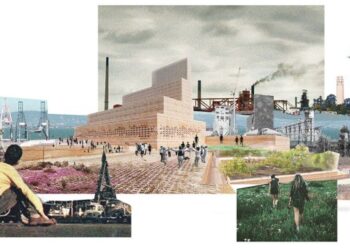
Delving into the world of virtual architects, this article sheds light on the innovative ways technology is transforming the architectural landscape. From designing to visualizing projects, virtual architects are redefining the industry with their digital prowess.
As we uncover the skills, design process, and benefits of virtual architecture, get ready to embark on a journey that showcases the future of architectural innovation.
Overview of Virtual Architect
In the modern architectural industry, a virtual architect plays a crucial role in designing and visualizing architectural projects using cutting-edge technology.
Role of a Virtual Architect
A virtual architect utilizes various software and tools to create detailed 3D models and virtual representations of architectural designs.
Technology Used by Virtual Architects
- Virtual Reality (VR) technology allows virtual architects to immerse themselves and clients in a realistic simulation of the proposed project.
- Building Information Modeling (BIM) software enables virtual architects to create accurate digital representations of buildings to analyze and optimize design elements.
- Computer-Aided Design (CAD) software is commonly used by virtual architects to draft and model architectural plans with precision and efficiency.
- Augmented Reality (AR) technology helps virtual architects overlay digital models onto the physical environment for enhanced visualization and communication.
Virtual Architect Skills and Qualifications
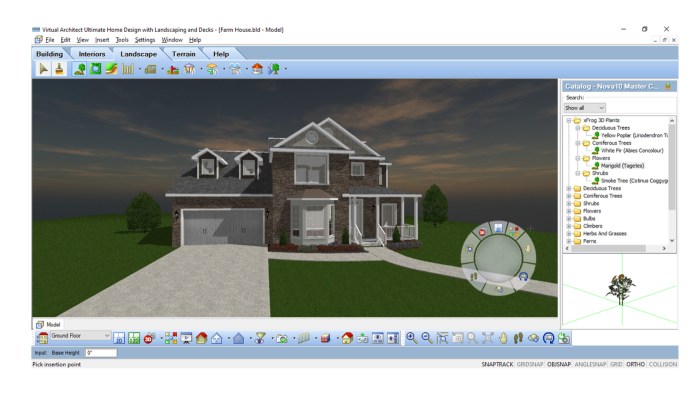
To become a successful virtual architect, individuals need to possess a unique set of skills and qualifications that are essential in this field. These requirements are crucial for creating innovative and functional virtual designs that meet the needs of clients and users.
Essential Skills for Virtual Architects:
- Proficiency in 3D modeling software such as AutoCAD, Revit, or SketchUp to create virtual representations of architectural designs.
- Strong understanding of architectural principles and building codes to ensure designs are structurally sound and compliant with regulations.
- Excellent communication and collaboration skills to work effectively with clients, team members, and other stakeholders throughout the design process.
- Creative thinking and problem-solving abilities to come up with innovative design solutions that meet the unique requirements of each project.
- Attention to detail and precision in creating virtual models and plans to accurately convey the design intent.
Educational Background and Qualifications:
- A bachelor's degree in architecture or a related field is typically required to pursue a career as a virtual architect.
- Additional certifications or training in 3D modeling software and virtual design tools can enhance a virtual architect's skill set and marketability.
- Internships or work experience in architectural firms can provide valuable hands-on experience and insight into the industry.
Role of Creativity and Attention to Detail:
Creativity is at the core of virtual architecture, as virtual architects are tasked with transforming ideas and concepts into visually stunning and functional designs. A keen eye for detail is essential to ensure that every aspect of the virtual model is accurate and realistic.
By combining creativity with attention to detail, virtual architects can create immersive virtual environments that captivate clients and users alike.
Virtual Architectural Design Process
In the world of virtual architecture, the design process is a crucial aspect that shapes the outcome of a project. Virtual architects follow a systematic approach to ensure that every detail is carefully considered and executed. Let's delve into the step-by-step process that virtual architects typically follow when working on a project.
Collaboration with Clients and Team Members
Virtual architects collaborate closely with clients and other team members during the design phase to ensure that the project aligns with the client's vision and requirements. This collaboration involves regular communication, feedback sessions, and the integration of client feedback into the design process.
By working closely with clients and team members, virtual architects can create designs that meet the needs and expectations of all stakeholders involved.
Importance of Sustainable Design Practices
Incorporating sustainable design practices in virtual architectural projects is essential for creating environmentally friendly and energy-efficient buildings. Virtual architects play a key role in integrating sustainable design elements such as passive solar design, energy-efficient systems, and environmentally friendly materials into their projects.
By prioritizing sustainability, virtual architects can contribute to the creation of buildings that are not only aesthetically pleasing but also environmentally responsible.
Benefits of Virtual Architecture
Virtual architecture offers numerous advantages in the design and construction industry. By utilizing virtual tools and technologies, architects and designers can streamline the entire process, leading to cost savings, improved project efficiency, and enhanced client experiences.
Cost Savings and Project Efficiency
Virtual architecture allows for accurate visualization of designs before actual construction begins, helping to identify potential issues early on. This early detection can lead to cost savings by avoiding rework and reducing material waste. Additionally, virtual simulations can optimize construction schedules, leading to improved project efficiency and timely completion.
Enhanced Client Experience and Project Presentations
Virtual reality plays a crucial role in enhancing the client experience by providing immersive virtual tours of the proposed designs. Clients can now walk through their future spaces and make informed decisions based on realistic representations. Moreover, virtual architecture enables architects to create compelling project presentations that effectively communicate design concepts and ideas to clients, stakeholders, and team members.
Final Thoughts
In conclusion, the realm of virtual architecture offers a glimpse into a future where creativity meets technology seamlessly. With its potential for sustainable design and enhanced client experiences, virtual architecture is poised to revolutionize the way we build and design spaces.
FAQ Resource
What essential skills are needed to become a virtual architect?
Virtual architects require a blend of technical proficiency, creativity, and a keen eye for detail to excel in the field.
What educational background is typically needed for a career in virtual architecture?
Most virtual architects have a degree in architecture, interior design, or a related field, along with proficiency in relevant software.
How do virtual architects incorporate sustainable design practices in their projects?
Virtual architects prioritize sustainable materials, energy-efficient designs, and environmentally friendly construction methods to ensure eco-consciousness in their projects.









![How To Replace Siding On A House [Step By Step Guide]](https://market.posmetropadang.co.id/wp-content/uploads/2025/11/worker-installing-panels-beige-siding-on-the-facade-of-the-house-How-To-Replace-Siding-On-A-House-Step-By-Step-Guide-120x86.png)