Embark on a journey through the world of 3ds Max interior design, where creativity meets technology to bring stunning visualizations to life. From modeling to texturing to lighting, discover how this powerful tool revolutionizes the interior design industry.
Introduction to 3ds Max Interior Design
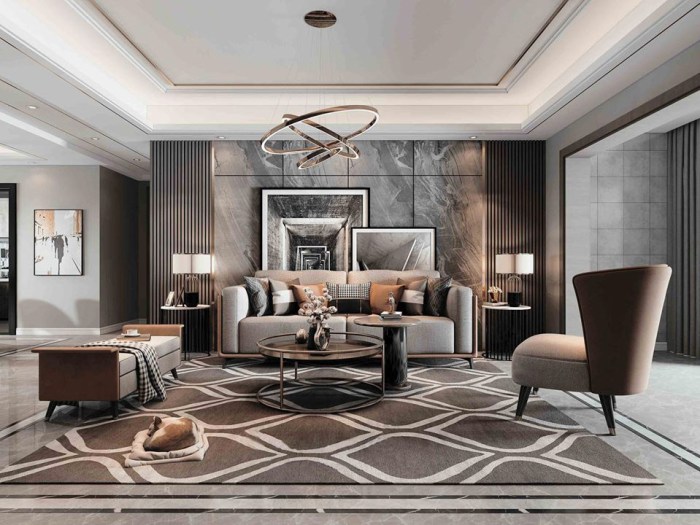
3ds Max plays a crucial role in interior design by allowing designers to create realistic visualizations of interior spaces. It is a powerful tool that helps in bringing ideas to life and communicating design concepts effectively.
Creating Realistic Visualizations
Designers use 3ds Max to model, texture, light, and render interior spaces, enabling them to showcase their designs in a photorealistic manner. By simulating materials, lighting conditions, and textures, designers can present their concepts in a way that closely resembles the final outcome.
Importance in the Interior Design Industry
3ds Max has become an essential software in the interior design industry due to its ability to streamline the design process, improve communication with clients, and reduce costs associated with physical prototypes. Designers can experiment with different layouts, colors, and furniture arrangements easily, leading to more efficient and effective design solutions.
Creating Interior Spaces in 3ds Max
Creating interior spaces in 3ds Max involves using a variety of tools and techniques to model realistic and detailed environments. From furniture to lighting, every element can be meticulously crafted to bring a space to life.
Modeling Tools in 3ds Max
- Use the standard primitives like Box, Sphere, and Cylinder to create basic shapes for furniture and decor.
- Utilize modifiers such as Editable Poly to refine and add details to your models.
- Experiment with the ProBoolean tool to combine objects and create intricate designs.
Texture Mapping and Materials
- Apply textures and materials to surfaces to add realism and depth to your interior spaces.
- Adjust settings like glossiness and reflection to achieve the desired look for different materials like wood, metal, or fabric.
- Explore the Material Editor to create custom materials or use pre-made libraries for convenience.
Lighting and Rendering
- Set up different types of lights such as spotlights, omni lights, and daylight systems to illuminate your scene effectively.
- Adjust light intensity, color, and shadows to create the right ambiance for your interior space.
- Experiment with different rendering engines like V-Ray or Corona Renderer for high-quality final renders.
Texturing and Lighting in 3ds Max Interior Design
When it comes to creating realistic interior design visualizations in 3ds Max, texturing and lighting play crucial roles in bringing the space to life. Texturing helps add detail and depth to various elements within the scene, while lighting enhances the overall mood and realism of the design.
Texturing Interior Elements in 3ds Max
Texturing interior elements in 3ds Max involves applying materials to different surfaces to mimic real-world textures such as wood, metal, fabric, or stone. This process adds visual interest and helps make the design more believable. Utilizing texture maps, such as diffuse, bump, specular, and reflection maps, can further enhance the realism of the materials.
Lighting for Realism in Interior Design
Proper lighting is essential for creating a convincing interior design visualization. By strategically placing light sources within the scene, designers can control the mood, highlight specific areas, and create a sense of depth. Natural lighting, artificial lighting, and ambient lighting can all be utilized to achieve different effects and enhance the overall realism of the space.
Comparing Lighting Techniques in 3ds Max
- Global Illumination: This lighting technique simulates the way light bounces and interacts with surfaces in the real world, resulting in soft shadows and realistic lighting effects.
- HDRI Lighting: High Dynamic Range Images (HDRI) can be used to light a scene realistically by capturing the full range of light intensity in a photograph.
- IES Lighting: IES profiles can be used to replicate real-world light fixtures accurately, allowing designers to create accurate lighting simulations based on specific light sources.
- Artificial Lighting: By using standard lights and photometric lights in 3ds Max, designers can mimic a variety of artificial lighting sources to illuminate the interior space effectively.
Rendering and Visualization in 3ds Max
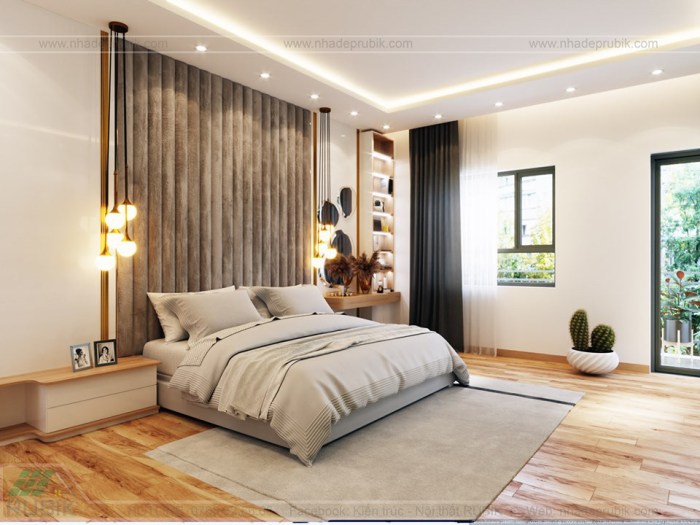
Rendering plays a crucial role in bringing interior design projects to life in 3ds Max. It is the process of generating the final images from the 3D model, adding textures, lighting, and other visual elements to create realistic representations of the design.
Rendering Options in 3ds Max
- 3ds Max offers various rendering options such as Mental Ray, V-Ray, and Arnold, each with its unique features and capabilities.
- Users can choose the rendering engine based on the specific requirements of the project, including speed, quality, and compatibility with other software.
- Experimenting with different rendering options can help achieve the desired visual style for interior design projects.
Optimizing Rendering Settings
- Adjusting rendering settings like resolution, quality level, and lighting can significantly impact the final output.
- Optimizing the render settings for performance and quality balance is essential to achieve high-quality visualizations efficiently.
- Utilizing features like global illumination, ambient occlusion, and ray tracing can enhance the realism of rendered images.
Post-Processing Techniques
- Post-processing techniques involve editing rendered images using software like Adobe Photoshop to refine details, adjust lighting, and enhance overall aesthetics.
- Adding effects like depth of field, color correction, and image compositing can elevate the visual impact of interior design visualizations.
- Mastering post-processing techniques is essential for creating polished and professional-looking rendered images in 3ds Max.
Ultimate Conclusion
In conclusion, 3ds Max offers endless possibilities for creating immersive interior spaces that captivate the eye. Dive into this dynamic realm of design and unleash your creativity with the help of 3ds Max.
FAQ Summary
How does 3ds Max contribute to interior design?
3ds Max plays a crucial role in interior design by allowing designers to create detailed and realistic visualizations of spaces before actual construction.
What are some key tools in 3ds Max for interior design?
Tools like modeling modifiers, UV mapping, and material editor are essential for creating intricate interior elements in 3ds Max.
How does lighting impact interior design visualizations in 3ds Max?
Proper lighting techniques in 3ds Max can significantly enhance the realism of interior design visualizations, creating a more immersive experience for viewers.
What rendering options are available in 3ds Max for interior design projects?
3ds Max offers various rendering options such as Mental Ray, V-Ray, and Arnold, each with its unique features to achieve high-quality visualizations.
Why is post-processing important in enhancing rendered images from 3ds Max?
Post-processing techniques like color correction and image compositing can elevate the final look of rendered images, making them more polished and professional.







![How To Replace Siding On A House [Step By Step Guide]](https://market.posmetropadang.co.id/wp-content/uploads/2025/11/worker-installing-panels-beige-siding-on-the-facade-of-the-house-How-To-Replace-Siding-On-A-House-Step-By-Step-Guide-120x86.png)