As you embark on the journey of creating your ideal living space, envisioning a house with siding and stucco can add a touch of elegance and durability to your home's exterior. This guide will explore the various aspects of incorporating siding and stucco into your home design, from materials and installation to maintenance and cost considerations.
Let's delve into the world of house with siding and stucco to discover how you can elevate the look and feel of your abode.
Introduction to House with Siding and Stucco
When it comes to the exteriors of a house, siding and stucco are two popular materials used for their durability and aesthetic appeal.
Siding is a protective covering attached to the exterior of a house. It comes in various materials such as vinyl, wood, fiber cement, and metal. On the other hand, stucco is a cement-based plaster that is applied to the exterior walls of a building.
Both siding and stucco serve to protect the underlying structure of a house from the elements and provide insulation.
Benefits of Using Siding and Stucco for a House
- Siding offers a wide range of colors, styles, and textures, allowing homeowners to customize the look of their home.
- Stucco is highly durable and can last for decades with minimal maintenance.
- Both siding and stucco are resistant to fire, rot, and pests, making them ideal choices for exterior cladding.
- They provide insulation, helping to regulate the temperature inside the house and reduce energy costs.
Differences Between Siding and Stucco Materials
- Siding:Typically made of materials like vinyl, wood, or fiber cement. It is installed in overlapping horizontal rows to create a protective barrier against the elements.
- Stucco:A cement-based plaster that is applied in multiple layers to create a seamless, durable finish on the exterior walls. It can be textured or smooth, depending on the desired look.
- Appearance:Siding offers a variety of colors and styles, while stucco provides a more uniform, solid look.
- Maintenance:Siding may require occasional cleaning and repainting, while stucco is low maintenance but may need occasional repairs due to cracking.
Types of Siding and Stucco Materials
When it comes to choosing materials for siding and stucco in construction, there are several options available to homeowners. Each material has its own characteristics in terms of durability, maintenance, and aesthetic appeal.
Common Materials Used for Siding
- Vinyl: Affordable, low maintenance, and versatile.
- Fiber Cement: Durable, fire-resistant, and can mimic the look of wood.
- Wood: Classic and natural look, but requires regular maintenance.
- Brick: Long-lasting, low maintenance, and provides excellent insulation.
- Stone: Adds a natural and luxurious look to the exterior of the house.
Various Stucco Options
- Traditional Stucco: Made of cement, sand, and lime, offering durability and fire-resistance.
- Acrylic Stucco: Flexible and resistant to cracking, with a wide range of colors and textures.
- EIFS (Exterior Insulation and Finish System): Energy-efficient, lightweight, and available in various finishes.
- Brick Stucco: Provides the appearance of brick without the weight and cost.
Durability Comparison
- Vinyl siding: Low maintenance but may fade or crack over time.
- Fiber Cement: Highly durable and resistant to rot, insects, and fire.
- Wood siding: Prone to rot and insect damage if not properly maintained.
- Brick siding: Extremely durable and can last for centuries with minimal maintenance.
- Stucco: Depending on the type, stucco can be durable, fire-resistant, and long-lasting when properly installed and maintained.
Installation Process of Siding and Stucco
When it comes to installing siding on a house, the process typically involves the following steps:
Siding Installation Process:
- Prepare the exterior surface by cleaning and repairing any damaged areas.
- Install flashing and starter strips to ensure proper water drainage.
- Begin installing the siding panels from the bottom, working your way up.
- Cut panels to fit around windows, doors, and corners as needed.
- Secure the panels with nails or clips, making sure they are level and properly aligned.
- Finish the installation by adding trim pieces and caulking any gaps for a seamless look.
Stucco Application Process:
- Prepare the surface by cleaning and applying a bonding agent to ensure adhesion.
- Mix the stucco material according to the manufacturer's instructions.
- Apply the stucco in multiple coats, starting with a scratch coat for adhesion, followed by a brown coat for strength, and finishing with a final color coat.
- Use a trowel to spread and smooth the stucco evenly across the surface.
- Allow each coat to dry before applying the next one to prevent cracking.
Special considerations during installation may include weather conditions affecting the drying time of stucco, proper insulation behind siding panels for energy efficiency, and ensuring proper ventilation to prevent moisture buildup that can lead to mold or mildew.
Maintenance and Care for House with Siding and Stucco
Proper maintenance is essential to ensure the longevity and aesthetic appeal of a house with siding and stucco. By following these tips, you can keep your siding and stucco in top condition for years to come.
Maintenance of Siding:
- Regularly inspect the siding for any signs of damage, such as cracks, holes, or warping. Address any issues promptly to prevent further damage.
- Clean the siding at least once a year using a mild detergent and water to remove dirt, mold, and mildew buildup. Avoid using high-pressure washers, as they can damage the siding.
- Trim any vegetation or trees near the siding to prevent scratches or damage from branches rubbing against the surface.
- Repaint or touch up the siding as needed to maintain its protective coating and appearance. Follow the manufacturer's guidelines for paint selection and application.
Maintenance of Stucco:
- Regularly inspect the stucco surface for cracks, chips, or discoloration. Repair any damage using a suitable stucco patching compound to prevent water infiltration.
- Clean the stucco surface with a gentle detergent and water solution to remove dirt, dust, and stains. Avoid harsh chemicals or abrasive tools that can damage the stucco finish.
- Seal the stucco surface every few years to maintain its waterproofing properties and protect it from moisture damage.
- Monitor the caulking around windows, doors, and other penetrations to ensure a tight seal and prevent water intrusion behind the stucco.
Common Issues with Siding and Stucco:
- Water damage: Improper installation or lack of maintenance can lead to water infiltration, causing rot, mold, and structural damage.
- Fading or discoloration: Exposure to sunlight and harsh weather conditions can cause siding and stucco to fade or change color over time.
- Cracking and peeling: Temperature fluctuations and settling of the house can result in cracks or peeling of the siding and stucco surfaces.
- Pest infestation: Gaps or cracks in the siding and stucco can provide entry points for insects, rodents, and other pests.
Design Ideas for House with Siding and Stucco
When it comes to designing a house with siding and stucco, there are numerous creative possibilities to explore. From color choices to architectural styles, the combination of these materials can enhance the overall aesthetic of your home.
Color Options and Combinations
Choosing the right colors for your siding and stucco exteriors can significantly impact the curb appeal of your home. Consider opting for a neutral color palette for a timeless and elegant look, or experiment with bold and vibrant hues for a more modern and eye-catching appearance.
You can also mix and match different colors to create a unique and personalized design.
Architectural Styles
Various architectural styles complement siding and stucco finishes beautifully. For a classic and traditional look, consider incorporating siding and stucco in a Colonial or Cape Cod style home. If you prefer a more contemporary aesthetic, opt for a modern or minimalist design with clean lines and sleek finishes.
Mediterranean and Spanish-style homes also pair well with stucco exteriors, adding a touch of warmth and charm to the overall look.
Cost Considerations for Siding and Stucco
When it comes to considering the costs associated with siding and stucco for your house, there are several factors to take into account. From the initial installation expenses to long-term savings, understanding the financial implications of these exterior finishes is crucial for making an informed decision.
Cost Factors for Siding Installation
- The type of siding material chosen can greatly impact the overall cost. Materials like vinyl siding tend to be more budget-friendly compared to options like wood or fiber cement.
- The size of your house and the complexity of its design will also play a role in determining the installation cost. Larger houses or those with intricate architectural details may require more labor and materials.
- Hiring professional contractors for the installation will incur additional costs but can ensure a high-quality finish and proper installation techniques.
Comparing Stucco Costs to Other Exterior Finishes
- Stucco application costs can vary depending on factors such as the size of the project, the condition of the existing surface, and the desired finish (smooth or textured).
- While stucco may have a higher upfront cost compared to materials like vinyl siding, it is known for its durability and longevity, potentially leading to cost savings in the long run due to minimal maintenance requirements.
- When comparing stucco to other exterior finishes like brick or stone, stucco tends to be more cost-effective while still providing a visually appealing and customizable option for your home.
Long-Term Cost Savings of Siding and Stucco
- Both siding and stucco are durable materials that can withstand various weather conditions and require minimal maintenance over time, reducing the need for costly repairs or replacements.
- By investing in high-quality siding or stucco, homeowners can potentially increase the energy efficiency of their homes, leading to lower utility bills and long-term savings on heating and cooling costs.
- Additionally, the curb appeal and enhanced property value that siding and stucco can provide may result in a higher resale value for your home, offering a return on your initial investment in these exterior finishes.
Outcome Summary
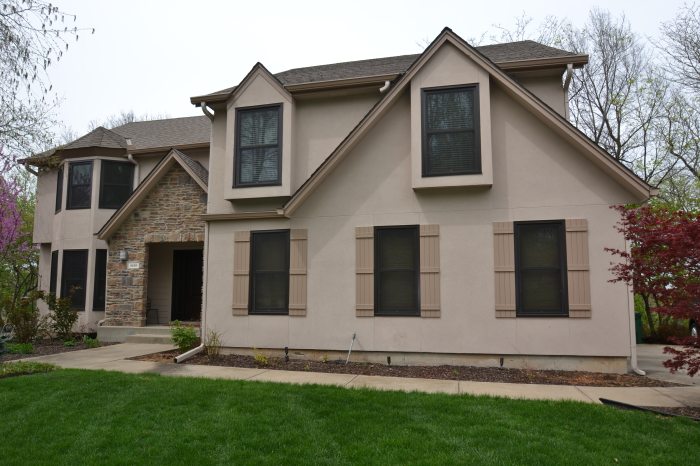
In conclusion, a house with siding and stucco offers a blend of aesthetic appeal and practical benefits for homeowners. By understanding the nuances of these materials and their installation and maintenance processes, you can make informed decisions to enhance your home's curb appeal.
Whether you're drawn to the classic charm of siding or the timeless elegance of stucco, integrating these elements into your home design can truly transform your living space.
Expert Answers
Is stucco more durable than siding?
Stucco is known for its exceptional durability, often outlasting traditional siding materials like vinyl or wood.
Can I paint my stucco exterior?
Yes, stucco exteriors can be painted to refresh the look of your home. Make sure to use high-quality paint suitable for stucco surfaces.
What are common maintenance tasks for siding?
Maintaining siding involves regular cleaning, inspecting for damage, and addressing any issues promptly to prevent further damage.
Are there eco-friendly siding options available?
Yes, there are eco-friendly siding materials such as fiber cement or reclaimed wood that offer sustainable alternatives for environmentally conscious homeowners.








![How To Replace Siding On A House [Step By Step Guide]](https://market.posmetropadang.co.id/wp-content/uploads/2025/11/worker-installing-panels-beige-siding-on-the-facade-of-the-house-How-To-Replace-Siding-On-A-House-Step-By-Step-Guide-120x86.png)